Advanced SSL Hosting Features Your Business Should Demand (e.g. wildcard, multi-domain)
Basic SSL certificates are essential for any business website, but as your online presence grows, a standard certificate might not be enough. If your business uses multiple subdomains (like https://www.google.com/url?sa=E&source=gmail&q=blog.yourcompany.com, https://www.google.com/url?sa=E&source=gmail&q=shop.yourcompany.com) or operates several different websites, you’ll want hosting that offers more advanced SSL features. Demanding these capabilities from your host can save you time, […]
Case Study: Business Migrates to SSL-Enabled Hosting — What Happened
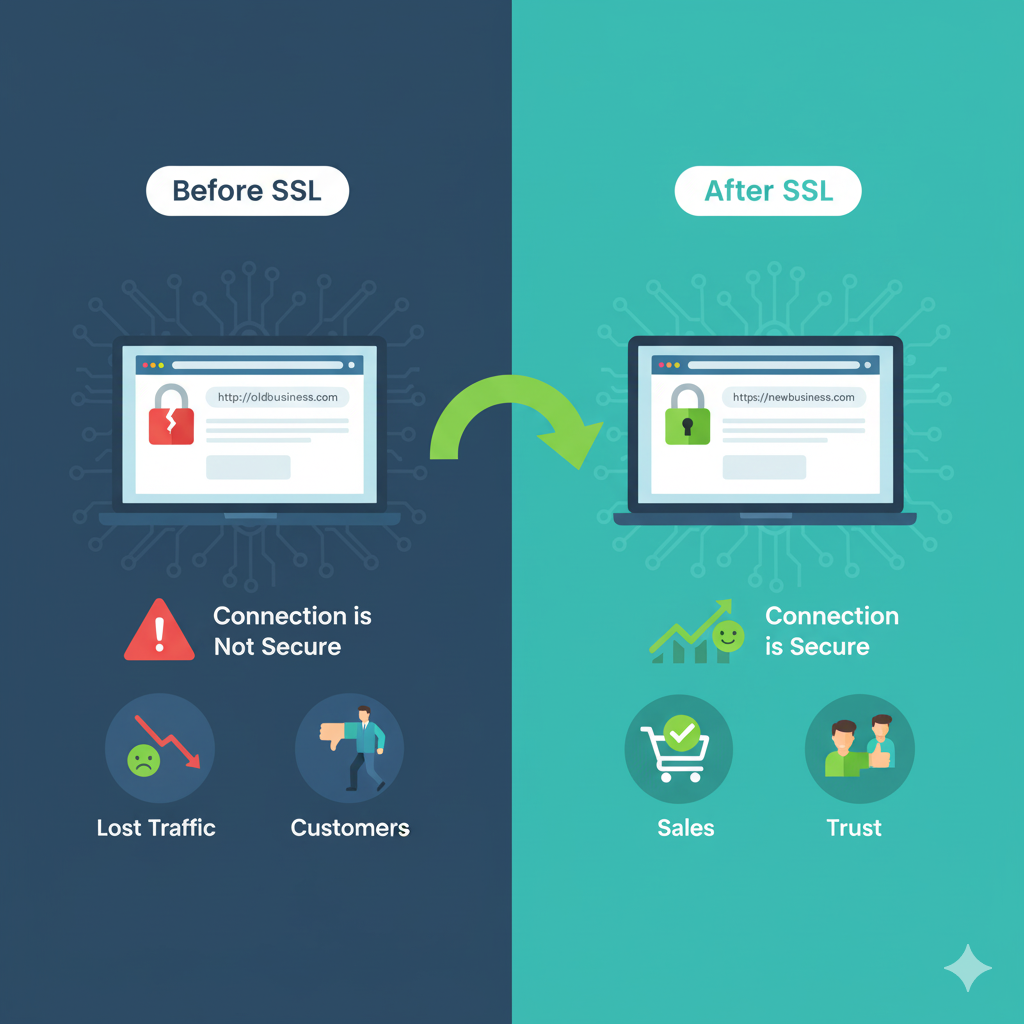
Many businesses still operate their websites without SSL, showing “Not Secure” warnings to their visitors. While it might seem like a small detail, the absence of SSL can have a big impact. Let’s look at the real-world experience of “Gadget World,” a small online electronics retailer, and what happened when they finally migrated their website […]
SSL Renewal Tips: Avoid Disruption on Your Business Website
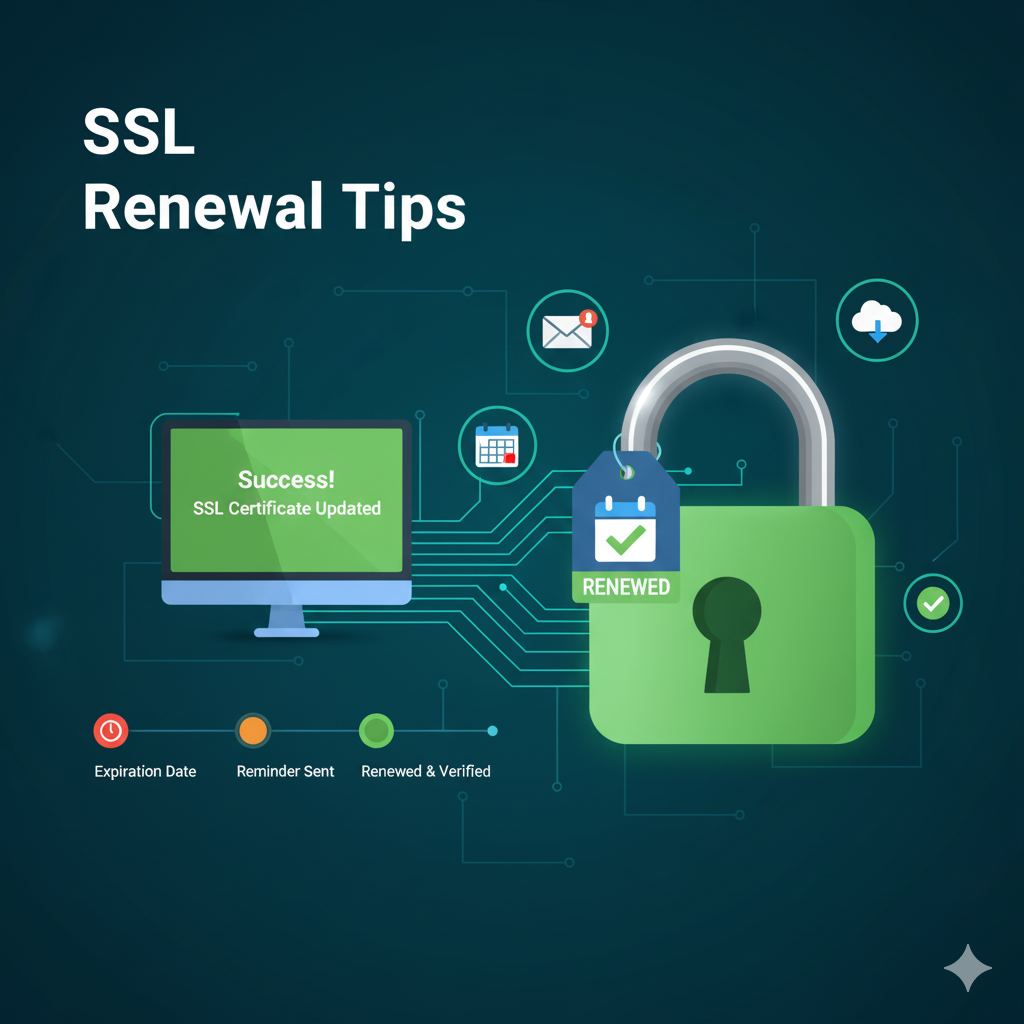
Your business website relies on trust, and an active SSL certificate is a big part of that. It ensures secure connections (HTTPS) and tells your visitors their information is safe. But what happens when your SSL certificate expires? It can lead to scary browser warnings, turn away customers, and even hurt your search engine rankings. […]
How to Test Your Hosting’s SSL Implementation (Step-by-Step)
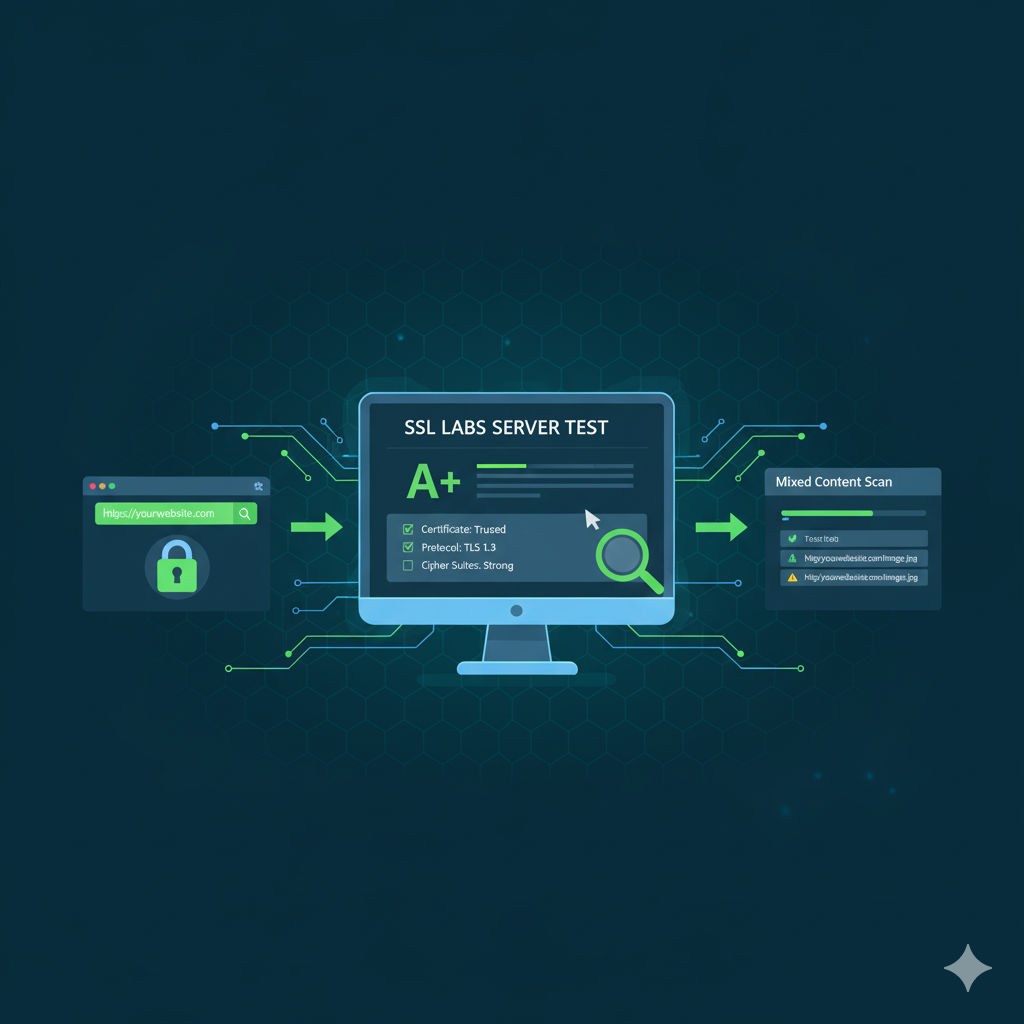
Have you ever noticed the little padlock icon in your browser’s address bar? That means the website is secure thanks to something called SSL (Secure Sockets Layer). SSL encrypts the connection between your website and your visitors, protecting their information from snoopers. If you have a website, it’s super important to make sure your hosting […]
Common SSL Errors on Business Sites (and How to Solve Them)

You’ve set up SSL for your business website – great! But sometimes, things can go wrong, leading to security warnings that scare off customers. SSL errors can make your site look untrustworthy, even if it is. Let’s look at some common SSL problems and how you can fix them, keeping your business looking professional and […]
Does Google Favor Hosts with SSL? SEO Lessons for Businesses

For any business with an online presence, getting found on Google is key. You’ve probably heard about SEO (Search Engine Optimization), which is all about making your website attractive to search engines. One factor that often comes up in SEO discussions is SSL (Secure Sockets Layer). But does Google really favor websites that use SSL? […]
SSL Certificates Explained — A Guide for Business Owners Choosing Hosting
As a business owner, your website is often the first impression customers have of you. In today’s digital world, trust and security are paramount. This is where an SSL certificate comes in. It’s not just a technical detail; it’s a vital component for protecting your customers and your business reputation. What Exactly is an SSL […]
Host Comparisons: Which Providers Offer Best SSL + Uptime for Businesses?

For any business online, your website is your digital storefront. To keep it welcoming, trustworthy, and always open, you need a hosting provider that excels in two key areas: security (SSL) and reliability (Uptime). These aren’t just technical terms—they are critical factors for customer trust and search engine ranking. The Business Case for SSL and […]
How to Add SSL to Your Existing Hosting Without Downtime

Securing Your Site: A Smooth Transition Adding an SSL (Secure Sockets Layer) certificate to your existing business website is a crucial step towards better security, improved SEO, and enhanced customer trust. Many business owners worry about potential downtime or complicated technical steps. The good news is that with modern hosting practices, you can typically add […]
Why Some Businesses Still Don’t Use SSL (and How to Fix That)
The Persistence of Insecurity Despite overwhelming evidence and browser warnings, a surprising number of businesses still operate websites without an SSL (Secure Sockets Layer) certificate. This oversight leaves their sites vulnerable, deters customers, and negatively impacts their online presence. The reasons for this neglect often stem from outdated information, perceived complexity, or simply not understanding […]